
If you could see UV, you'd see the danger.
In Australia, we are exposed to some of the highest levels of ultraviolet (UV) radiation in the world. So it’s not surprising that our country has the highest rates of skin cancer.
While UV radiation is invisible, its impact on your skin is not.
When your skin cells absorb too much UV radiation, it disrupts and damages their DNA. Your body works hard to repair this damage — but repeated UV exposure makes this harder and not all the damage can be undone. Over time, this can build up and develop into skin cancers, including melanoma – the deadliest form of skin cancer. In fact, up to 95 per cent of melanoma and 99 per cent of non-melanoma skin cancers are caused by overexposure to UV radiation.
Many South Australians still associate sunburn and skin damage with heat, but it’s actually invisible UV radiation that causes the harm. Even on cool or cloudy days, UV can still reach levels that damage our skin.
If you could see UV video
Watch our video which shows the unseen damage that can be caused by harmful UV radiation.
About the campaign
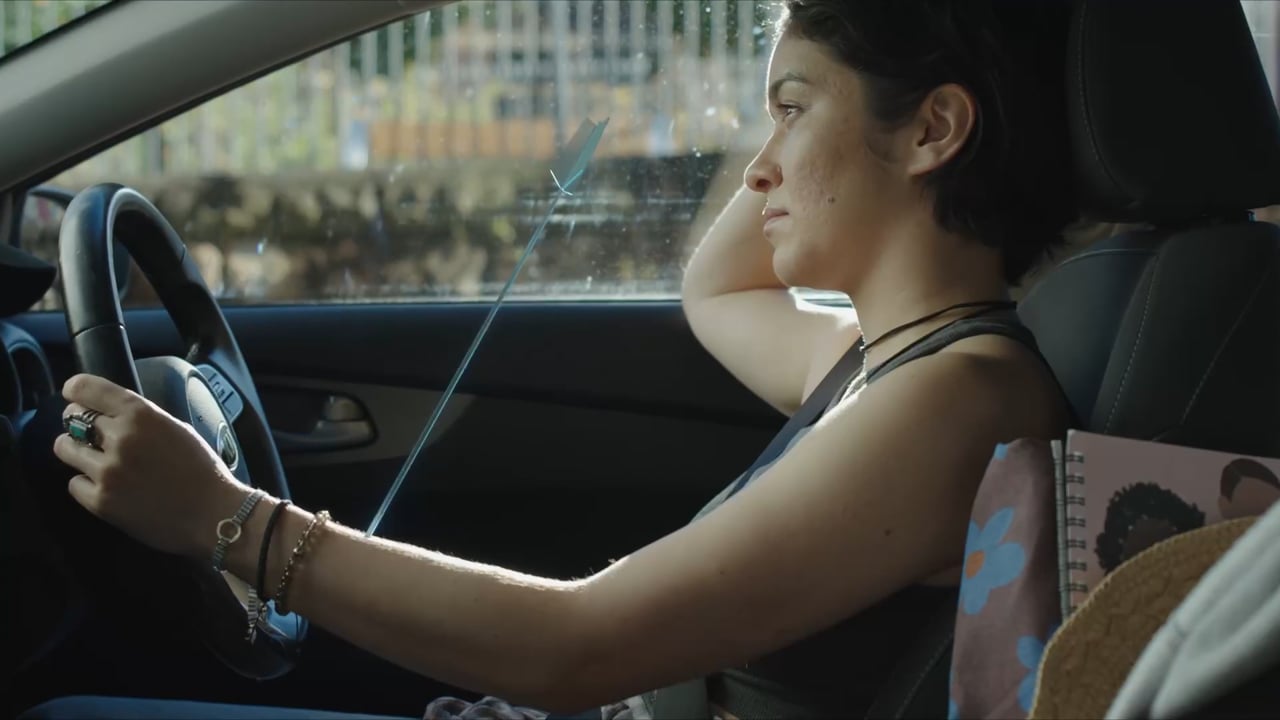
For the first time in South Australia, Cancer Council SA has launched the ‘If You Could See UV’ campaign during the peak of summer. The campaign encourages South Australians to protect their skin from harmful UV radiation.
Developed by the Cancer Institute NSW, the creative concept uses glass-like arrows falling from the sky to represent invisible UV, prompting the audience to be prepared and use sun protection to defend against this ever-present threat.
The campaign aims to help the community understand that:
- melanoma is one of the most common cancers among young Australians
- if you could see UV, you would protect your skin
- it’s important to be prepared before you go outdoors
- you can protect your skin in five ways: Slip, Slop, Slap, Seek, Slide.
Protect your skin from UV and reduce your cancer risk.
Check the UV before heading outside and whenever the UV is 3 and above, use a combination of the five forms of sun protection:
- slip on sun-protective clothing
- slop on SPF 50 or 50+, broad-spectrum, water-resistant sunscreen
- slap on a broad-brimmed hat that shades the face, ears, and neck
- seek shade whenever possible
- slide on wrap-around sunglasses.
Check the local UV and daily sun protection times on the free SunSmart Global UV app or Bureau of Meteorology website.
Ashli’s skin cancer story

“When I was 21, I had a spot on the right side of my neck which kind of looked like a pimple, but I noticed it wasn’t really going away. I went to the GP for my first ever skin check, and they said it didn’t look too suspicious but biopsied it anyway.
A few weeks later, I got a call back from the GP while I was in a uni lecture, and they confirmed that it was melanoma. It was nearly a centimetre deep. The doctor said if I hadn’t picked it up when I did, it could have gotten a lot worse.
Now I have a 20-centimetre scar on my neck. At first when it was removed it was really raw and gnarly looking. As part of the aftercare, I had to wear a long piece of tape on the scar for a whole year to protect it from the sun – it attracted a lot of attention and I had to relive the experience every time someone asked me about it.
I can’t even count on my hands how many times I’ve been badly sunburnt. Growing up in the country, playing sport and spending a lot of time at the beach – I wasn’t really educated on the effects of UV. On really cloudy days, I never even thought of putting on sunscreen. But I’ve completely changed my outlook. I now wear sunscreen every single day, all year round. I have to wear gloves when driving and when I go out, I wear a hat and UV sleeves.
I never would have expected to be diagnosed with skin cancer so young, so I hope my story can help other young people understand the effects of prolonged exposure to UV from the sun and the importance of protecting your skin every day.” – Ashli, 24 years old
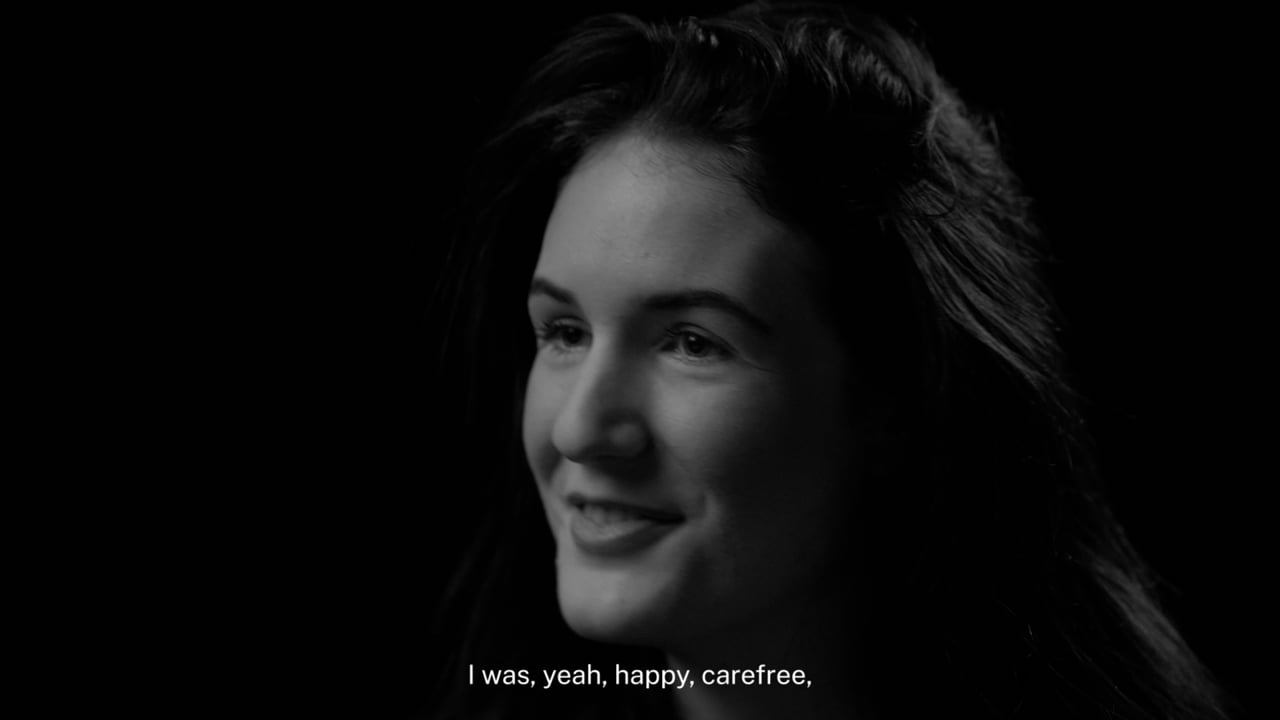
Ella's story
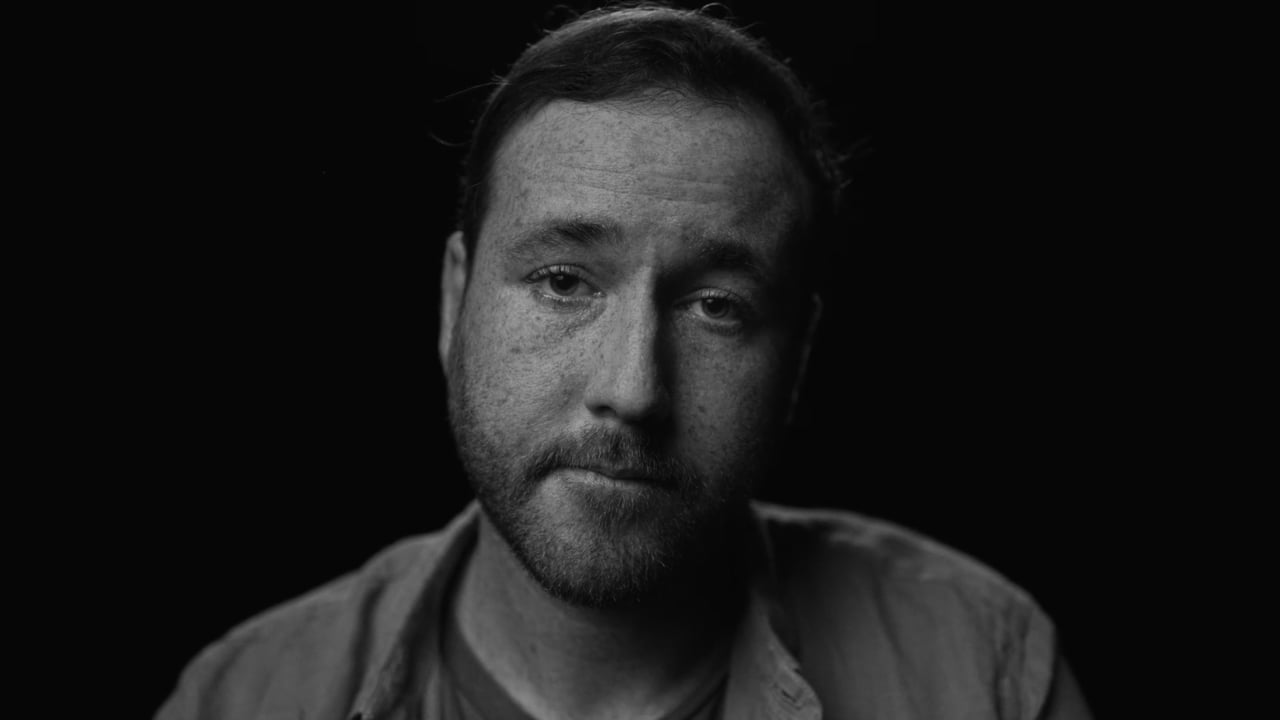
Corey's story
Cancer Council SA acknowledges the Cancer Institute NSW as the original creators of the ‘If you could see UV’ campaign, which has been licensed and adapted for use in South Australia under agreement with CINSW.
The campaign is being delivered across South Australia with funding support and in partnership with Preventive Health SA.
Understanding UV radiation
Australia has some of the highest UV levels in the world. UV is a type of energy that comes from the sun, as well as artificial sources, like solariums and arc welders. Both natural and artificial UV can damage your skin.

Protecting my skin
Being SunSmart is the best way to reduce your risk of skin cancer. Over 95 per cent of skin cancers are caused by exposure to UV radiation, so with Australia’s high levels of UV radiation year-round, it’s important to incorporate sun protection in your daily routine, to lower your risk of skin cancer.

Skin cancer
This information has been prepared to help you understand more about the 2 most common types of skin cancer – basal cell carcinoma (BCC) and squamous cell carcinoma (SCC). These skin cancers are called non-melanoma skin cancer or keratinocyte cancer.

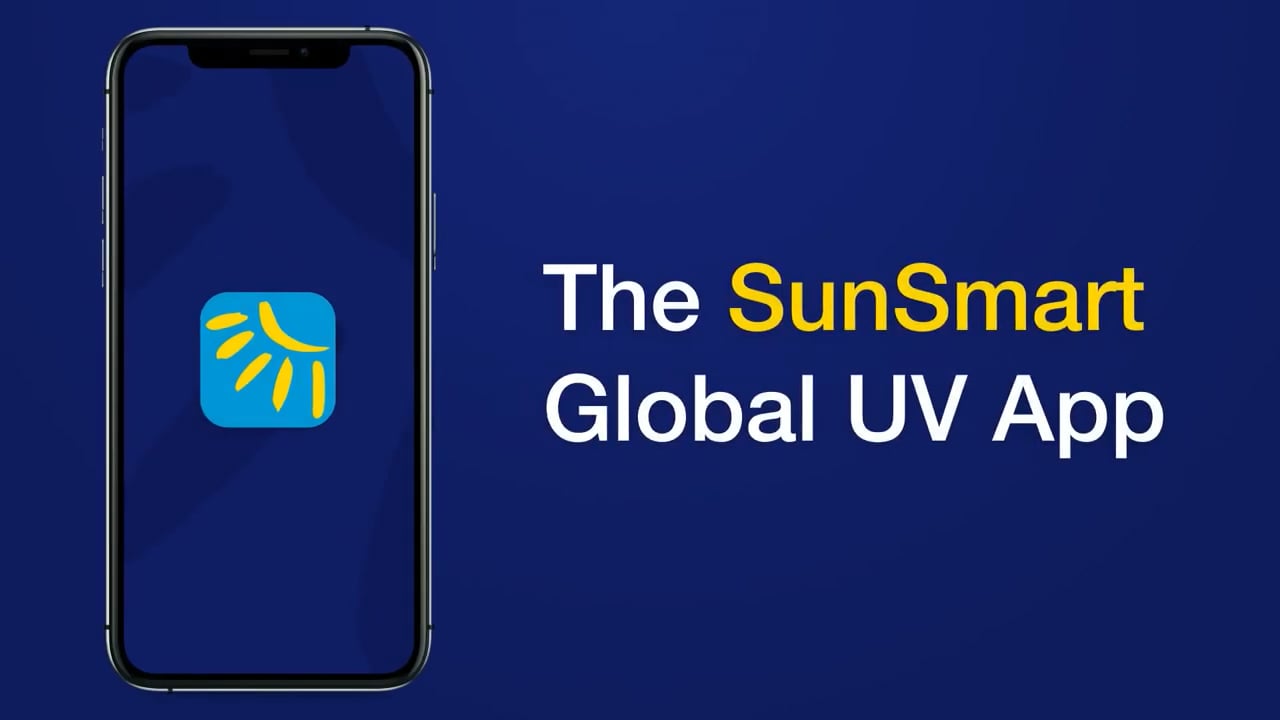
Download the SunSmart Global UV app
You can use the free SunSmart Global UV app from anywhere in the world to check the daily UV levels and recommended sun protection times for your location each day.
The daily sun protection times are reported to let us know the times of the day the UV index will reach 3 and above, and are helpful to know when we should Slip, Slop, Slap, Seek and Slide.
Add the free SunSmart UV widget to your website
You can add the free SunSmart UV widget to your website to see the UV levels and sun protection times for your location without having to open the SunSmart app.
It uses forecast information from the Bureau of Meteorology and live UV data from the Australian Radiation Protection and Nuclear Safety Agency to provide sun protection times for 60 locations across South Australia.