As of November 2025, around 38,000 staff, including corporate roles, will be required to complete the Ultraviolet radiation and skin cancer training module as part of employment.
This training supports staff members to know how to protect their skin from UV to meet work health and safety obligations and to model SunSmart behaviours for students and children.
The second module, Safety in the sun, will be offered to staff who engage with students up to, and including, Year 6.
This training is designed to help education staff implement sun protection policies on the ground, helping to minimise student exposure to UV and reduce young people’s lifetime risk of skin cancer.
Cancer Council SA Prevention Programs Manager Diem Tran said training education staff about how to protect themselves and model sun safe behaviours is a great way to help people reduce their risk of skin cancer.
“Australia has one of the highest rates of skin cancer in the world, so it is vital we protect our skin from UV rays to reduce our lifetime risk of developing these preventable cancers,” she said.
Mandatory SunSmart training is a fantastic way to raise staff awareness of the risks of UV exposure, and it helps them build sun safe habits which they can model to students and young people in schools and kindergartens. It will also help them educate our next generation.
"Despite high awareness that the sun causes skin damage, many South Australians ignore the fact that high UV levels can occur on cool and cloudy days. Embedding this training within the mandatory list of training for education staff will help to overcome this common misconception."
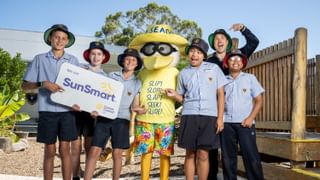
This training was a partnership project and complements the work of Cancer Council SA’s SunSmart Schools and Early Childhood Program.
For over 20 years and across more than 1,000 South Australian schools, out of school hours care services and early childhood centres, the program has taught thousands of children the importance of protecting themselves from UV radiation.
In the past year alone, the program has protected around 135,000 children and their educators from harmful UV radiation, reducing their lifetime risk of skin cancer.
SunSmart Schools & EarlyChildhood Program
Cancer Council’s SunSmart Schools and Early Childhood Program has been running in South Australia for more than 25 years, with more than 1,000 South Australian schools, OSHC services and early childhood centres currently recognised as SunSmart. The SunSmart Schools and Early Childhood Program protects around 135,000 South Australian children and their educators from harmful UV radiation.

Understanding UV radiation
Over 95 per cent of skin cancers are caused by exposure to ultraviolet (UV) radiation. The sun is a major source of UV radiation, but it can also come from artificial sources, such as arc welders, glue curing lights, and tanning beds or sun lamps.