Since 2021, Cancer Council SA has collaborated with Preventive Health SA (PHSA) to equip South Australian GPs with the skills and knowledge to detect and treat skin cancer earlier.
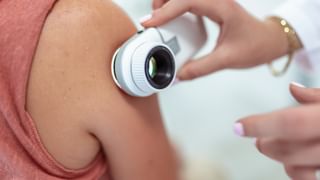
Dermoscopy is a non-invasive diagnostic technique healthcare professionals use to examine skin lesions at high magnification.
Through the program, GPs who have completed approved dermoscopy training can apply for a grant to receive a dermatoscope.
But what is a dermatoscope?
Dermatoscopes are small, specialised, hand-held magnifying devices. They are fitted with two different light settings, which give doctors a much clearer view of skin lesions.
Using a dermatoscope allows doctors to better examine the shape, size, features and pigmentation of a skin lesion.
This strengthens diagnostic accuracy and supports early detection of skin cancer and other skin conditions.
How do dermatoscopes support doctors?
We have distributed 264 dermatoscopes across seven rounds of funding to doctors in South Australia, with around 50 per cent of those going to regional areas.
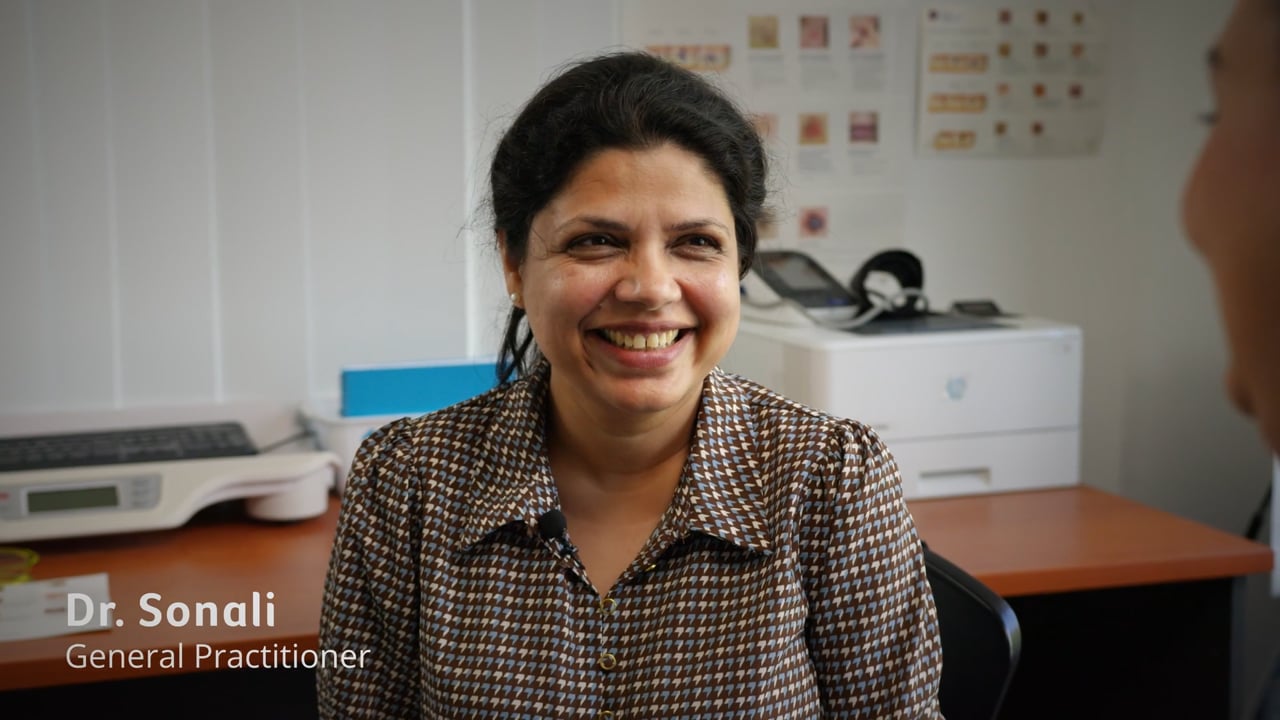
Listen to what local GP Dr Sonali has to say about how her dermatoscope has transformed skin checks for her patients:
I’m due for a skin check – what do I need to know?
Firstly, speak to your GP.
Getting a skin check usually starts with simply asking your GP. They can perform the check themselves or refer you elsewhere if needed. While you can choose to attend dedicated skin cancer clinics, GPs are qualified to perform skin checks and are often the most accessible and affordable first step.
If a dermatoscope is used, you usually won’t need to fully undress as the check is often done in sections.
If you've noticed any new or changing spots, or have specific moles you’re concerned about, be sure to point them out.
The frequency of skin checks can vary depending on your individual risk factors, such as fair skin, a personal or family history of skin cancer, or high sun exposure. Your GP can help you decide how often you should have a professional skin check. Regular self-skin checks are also an important part of early detection.
What are the long-term benefits?
Cancer Council SA Prevention Programs Lead Elysia Flavel said feedback on the Dermoscopy Program has been very positive overall.
“Evaluation of the program has shown GPs are much more confident in diagnosing skin cancer and identifying suspicious lesions earlier, which is improving patient outcomes,” she said.
“We’ve heard GPs have successfully integrated routine dermoscopy into their practices, making it much easier for people all over South Australia to access simple, but life-saving skin checks.
“We look forward to continuing to work with GPs throughout South Australia and exploring ways to support their access to resources and ongoing training opportunities to help sustain the long-term benefits of this program.”
Find a dermatoscope near you
For a list of clinics using dermatoscopes, click here.